This sihoo doro c300 pro review looks at a mesh office chair built around movement and fit, with dynamic lumbar support, adjustable seat depth, and unusually flexible armrests.
It may suit people who spend long stretches at a desk and want more ways to tune a chair to their posture.
SIHOO Doro C300 Review Summary
The quick verdict
1,000+ ratings
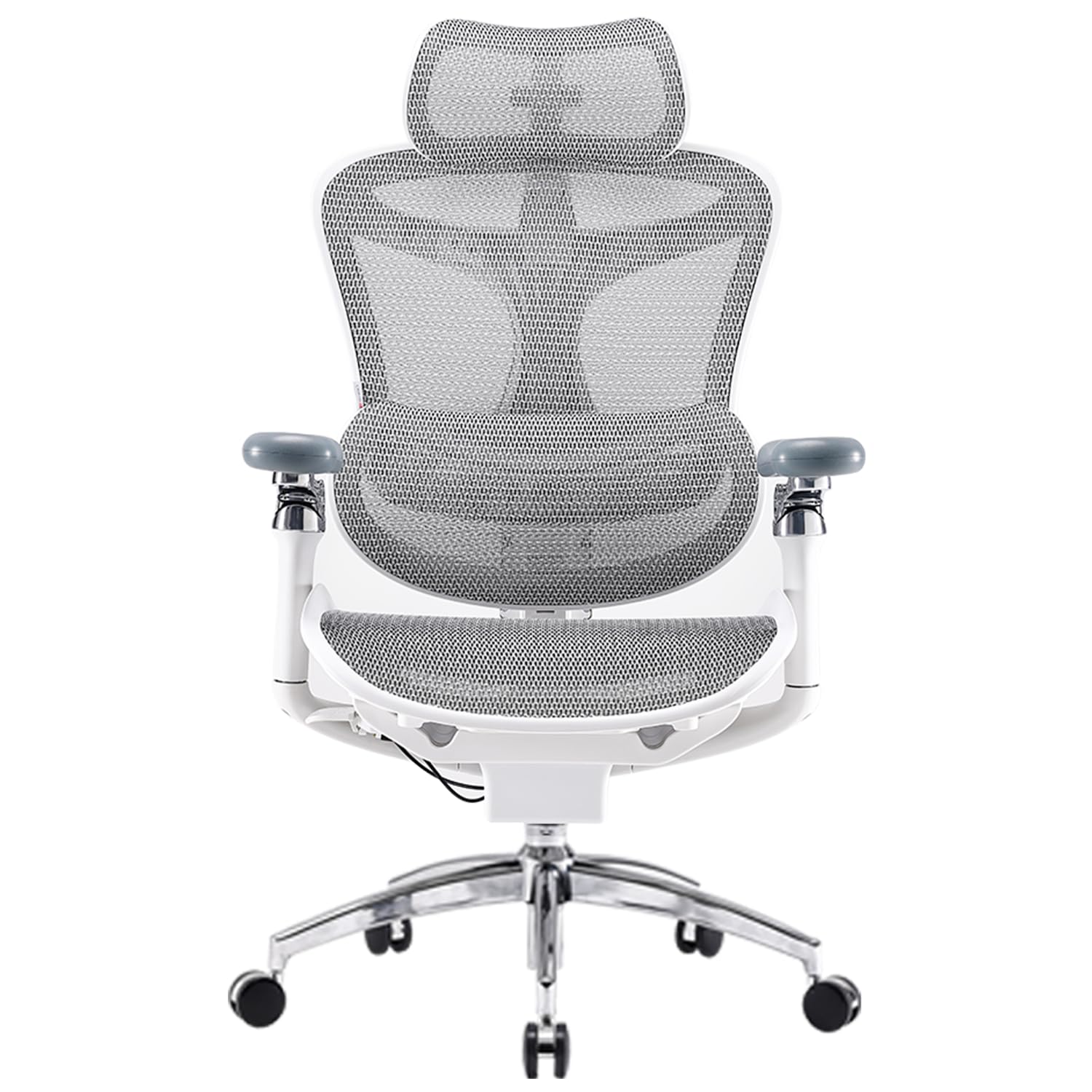
Read Amazon ReviewsSIHOO Doro C300 Pro
A flexible mesh chair for desk workers who want moving lumbar support, extensive arm adjustments, and reclining options for work and breaks.
- Adaptive dynamic lumbar support is designed to move with the sitter as posture changes.
- The soft 6D armrests adjust in five directions and move in coordination with the backrest when reclining.
- The wider seat has adjustable depth, providing another fit option for different leg lengths.
- The headrest is adjustable in three dimensions, and the backrest has four positions with up to 2.36 inches of vertical movement.

Pros
- Multiple independent fit adjustments give users more options than a chair with only basic height and tilt controls.
- Moving lumbar support and a flexible backrest are designed to accommodate posture changes rather than holding one fixed position.
Consider before buying
- The large number of adjustments can take time to tune; buyers who prefer a simple, fixed setup may not use the full range.
- The chair's suitability depends on how its seat depth, backrest height, and arm positions align with your body and desk; check your preferred sitting dimensions before choosing.
Read the full review summary
The Doro C300 Pro combines a breathable mesh build with an adjustable headrest, a wider seat, seat-depth adjustment, and a backrest that shifts vertically and has four positions.
Its lumbar support is designed to move with the sitter, while the weight-sensing recline is intended to make leaning back feel balanced without a manual tension adjustment.
Its strongest case is for users who value adjustability and change posture through the day.
Recline settings at 105, 120, and 135 degrees cover upright work through more relaxed breaks; the armrests move in five directions and coordinate with the backrest.
Taller users may appreciate the wider seat and depth adjustment, though comfort still depends on personal proportions and desk setup.
The buying factors
SIHOO Doro C300 Scorecard
Editorial scores reflect listed features and buyer fit; they are not laboratory measurements or customer ratings.
Posture adjustment range
Seat depth, vertically adjustable backrest, four backrest positions, and multiple recline angles provide several ways to refine fit.
Lumbar support design
The adaptive support is designed to track movement, which may appeal to people who shift between forward work and reclined sitting.
Armrest flexibility
The six dimensional armrests adjust in five directions and are described as coordinating with the backrest during recline.
Recline versatility
Three listed recline positions span focused sitting and relaxed leaning, with a weight-sensing mechanism intended to balance the motion.
Breathability
The chair uses breathable mesh throughout the described design, a useful consideration for long desk sessions.
Fit for taller users
The wider seat and adjustable depth are specifically positioned to help accommodate taller users, but individual fit should be checked.
Ownership support
The product description includes a three-year period for free replacement parts and cites several standards and certifications.
Key Features and Specifications of SIHOO Doro C300
- Adaptive dynamic lumbar support is designed to move with the sitter as posture changes.
- The soft 6D armrests adjust in five directions and move in coordination with the backrest when reclining.
- The wider seat has adjustable depth, providing another fit option for different leg lengths.
- The headrest is adjustable in three dimensions, and the backrest has four positions with up to 2.36 inches of vertical movement.
- The chair reclines to 105, 120, and 135 degrees; its weight-sensing mechanism is designed to adjust reclining resistance to the user.
- Breathable mesh is used across the chair, with a flexible backrest frame intended to follow side-to-side upper-body movement.
- The chair is described as meeting REACH, EN1335, and SGS BIFMA standards, with TÜV certification and a three-year replacement-parts period.
Pros and Cons of SIHOO Doro C300
Pros
- Multiple independent fit adjustments give users more options than a chair with only basic height and tilt controls.
- Moving lumbar support and a flexible backrest are designed to accommodate posture changes rather than holding one fixed position.
- The 6D armrests and linked recline behavior offer flexibility for typing, leaning back, and changing arm position.
- The wider seat and adjustable depth may help taller users fine-tune leg support.
Consider before buying
- The large number of adjustments can take time to tune; buyers who prefer a simple, fixed setup may not use the full range.
- The chair's suitability depends on how its seat depth, backrest height, and arm positions align with your body and desk; check your preferred sitting dimensions before choosing.
- The description gives no exact seat dimensions, so shoppers who need a precise fit should confirm those measurements before purchase.
Who Should Buy SIHOO Doro C300?
Good fit
Consider the Doro C300 Pro if you work at a desk for long sessions and want a chair that can adapt as you move.
The combination of moving lumbar support, adjustable seat depth, multiple backrest positions, and a wide range of armrest settings gives you several ways to build a comfortable workstation posture.
It also makes sense if you regularly alternate between focused work and reclined breaks. The three recline positions cover a useful range, while the weight-sensing design is intended to make reclining feel more balanced.
Before buying, compare the chair's dimensions with your own preferred seat depth and desk height, especially if you are tall or have a specific fit requirement.
Who should skip it
Look elsewhere if you want a chair with a minimal adjustment setup or do not expect to use reclining and armrest positioning options.
Much of this model's appeal rests on being able to tune several parts to your body and routine.
If exact seat dimensions are essential for your fit, confirm them before deciding. The product details provided here do not give those measurements, and seat comfort is personal.
How the SIHOO Doro C300 Fits a Desk Routine
Adjustments that follow posture
The chair's lumbar support and flexible backrest are designed to move with the sitter, while the backrest can be raised and set in four positions.
That combination may help people who alternate between leaning toward a screen and sitting back, though it is still important to adjust the chair so the support meets your lower back comfortably.
Seat depth and taller-user fit
Seat-depth adjustment can make a meaningful difference when the seat otherwise feels too short or presses behind the knees. Paired with the wider cushion, it gives taller users an additional fit control.
Since no seat dimensions are provided here, measure a chair that already fits you and compare those measurements before committing.
Arm support across work and breaks
The 6D armrests adjust in five directions and coordinate with the backrest as it reclines. In practice, this design gives users options for aligning their forearms at a desk or shifting arm support as they lean back.
A good fit still depends on whether the armrests clear your desk and land at a comfortable height.
Reclining and mesh comfort
The listed recline positions offer a choice between a more upright posture and deeper leaning, while the weight-sensing mechanism is intended to adapt the recline feel to the user.
Breathable mesh throughout the design may be appealing for long sessions, but personal preference for mesh support and texture is worth considering.
Alternatives to SIHOO Doro C300
Home Office Desk Chairs alternative
17,000+ ratings
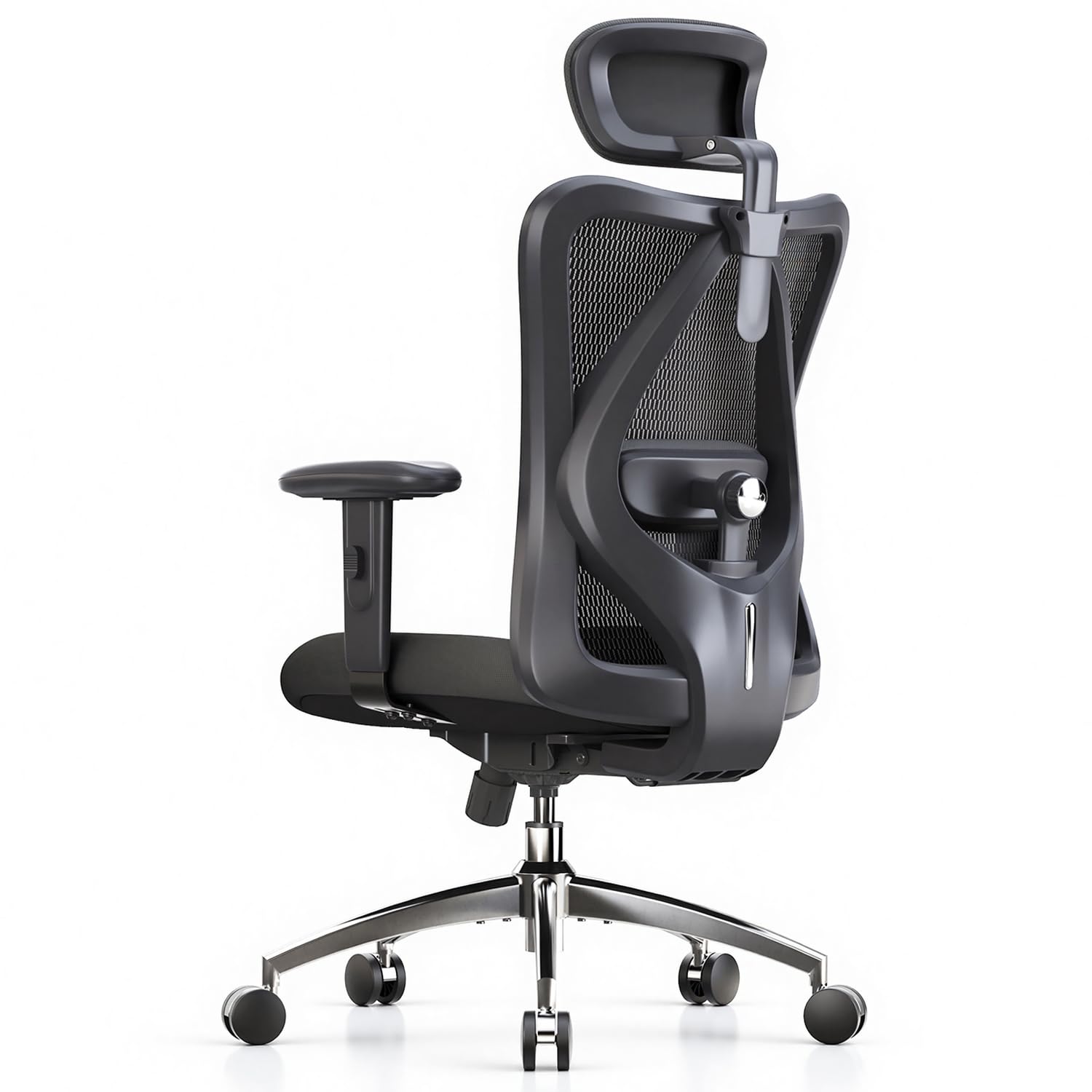
Read Amazon ReviewsSIHOO M18 Ergonomic Office Chair
Choose the M18 if you want a more straightforward set of adjustments and its stated height range fits you.
The Doro C300 Pro is the better match if you specifically want adjustable seat depth, more armrest positioning, and a moving lumbar design.
- The M18 has adjustable seat height, headrest, lumbar and back support, plus 2D armrests and a tilt lock.
- Its description recommends it for users from 5 feet 6 inches to 6 feet 2 inches.
- The Doro C300 Pro emphasizes dynamic lumbar movement, seat-depth adjustment, a weight-sensing recline, and 6D armrests.
Home Office Desk Chairs alternative
17,000+ ratings
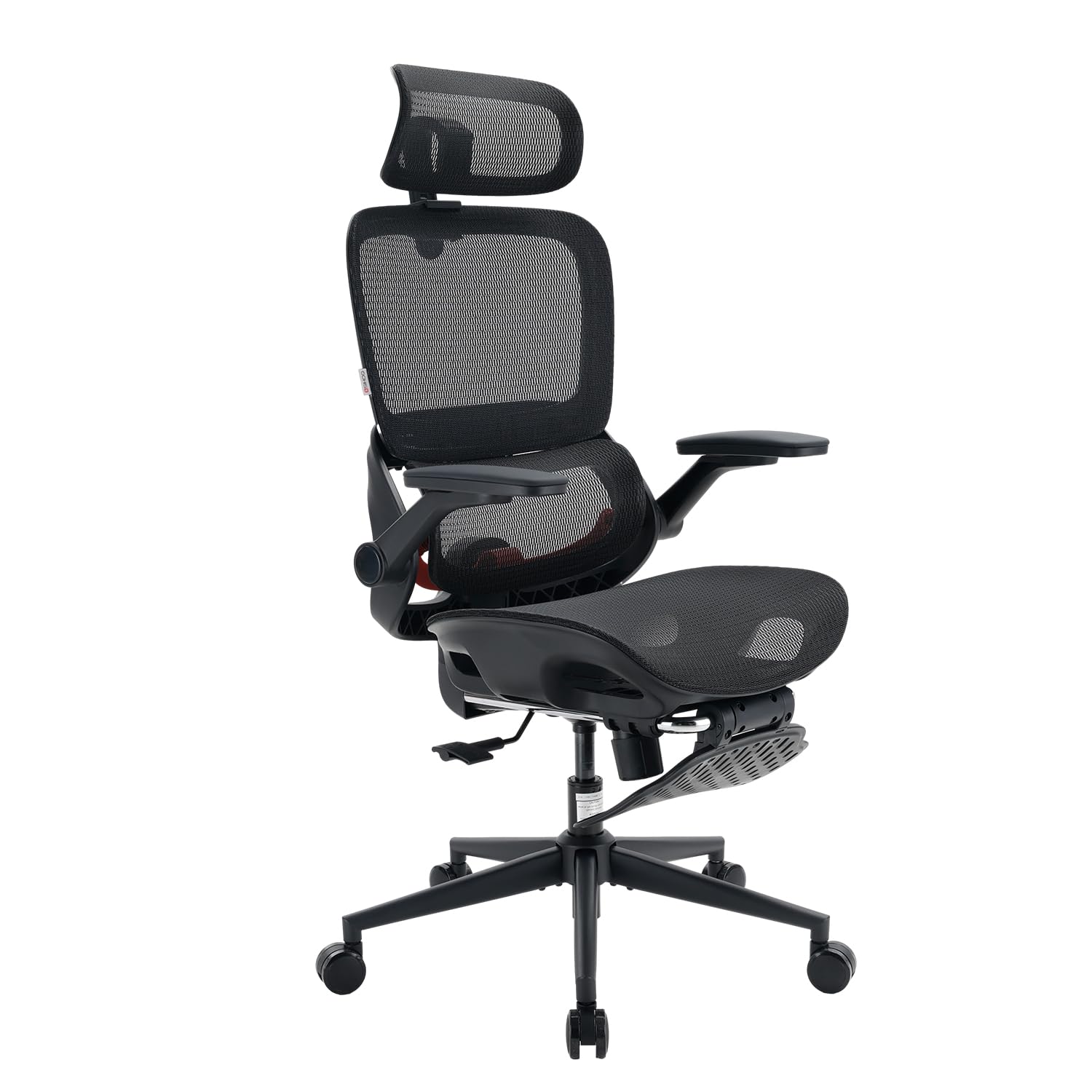
Read Amazon ReviewsSIHOO B100 Pro Ergonomic Office Chair
Consider the B100 Pro if a retractable footrest for stretching or reclining breaks is a priority. The Doro C300 Pro is a closer fit if you value seat-depth adjustment and its more extensively adjustable armrests.
- The B100 Pro adds a retractable footrest, four dimensional armrests, a wide headrest, and three recline angles.
- Its seat and back use breathable mesh, and its stated support limit is up to 300 pounds.
- The Doro C300 Pro focuses on an adjustable backrest and seat depth, with three recline positions and linked 6D armrests.
Is SIHOO Doro C300 Worth It?
The SIHOO Doro C300 Pro is worth considering if you want an adjustable mesh chair that accommodates posture changes, with moving lumbar support, seat-depth control, flexible armrests, and several recline positions.
Those features make it especially relevant for people who spend much of the day at a desk and want to tune the chair for both work and breaks.
Buy with fit in mind: the adjustment range is a strength, but it takes some setup, and the available details do not include exact seat dimensions.
Check that the chair's proportions suit your body and workspace before choosing it.
Your review at a glance
1,000+ ratings
Read Amazon ReviewsSIHOO Doro C300 Pro
A flexible mesh chair for desk workers who want moving lumbar support, extensive arm adjustments, and reclining options for work and breaks.
- Adaptive dynamic lumbar support is designed to move with the sitter as posture changes.
- The soft 6D armrests adjust in five directions and move in coordination with the backrest when reclining.
- The wider seat has adjustable depth, providing another fit option for different leg lengths.
- The headrest is adjustable in three dimensions, and the backrest has four positions with up to 2.36 inches of vertical movement.