This TP Link AXE5400 review looks at the Archer AXE75, a tri-band Wi-Fi 6E router built around a dedicated 6 GHz band and features for managing a busy home network.
Archer AXE75 Review Summary
The quick verdict
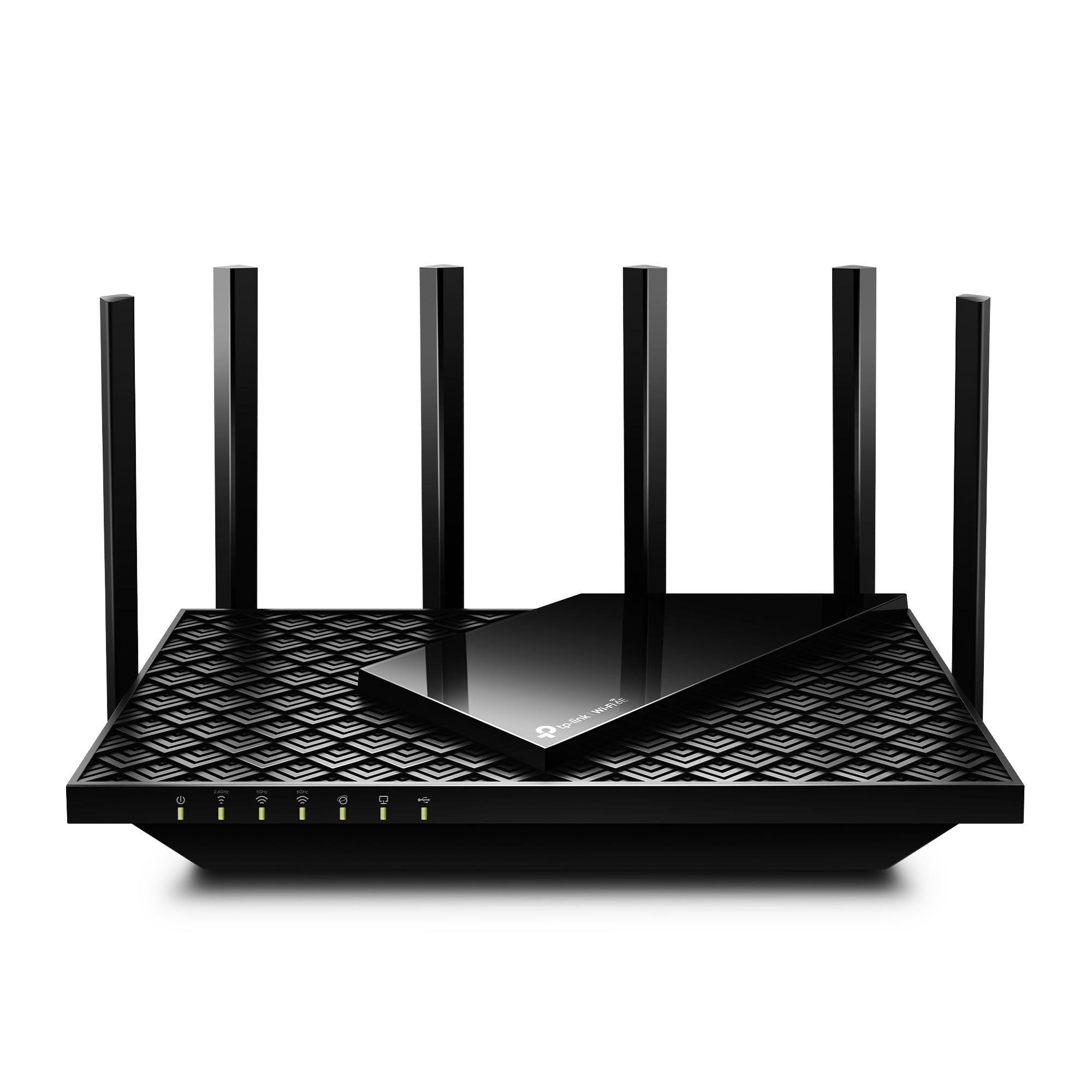
5,000+ ratings
Read Amazon ReviewsTP-Link Archer AXE75
A tri-band Wi-Fi 6E router for homes that want a 6 GHz band, OneMesh expansion, and VPN options in one network.
- Tri-band Wi-Fi 6E with 6 GHz, 5 GHz, and 2.4 GHz bands.
- Up to 5400 Mbps combined Wi-Fi rate across the three bands.
- 160 MHz channel support and OFDMA for more simultaneous device transmissions.
- 2.5 Gbps WAN port for a compatible incoming internet connection.

Pros
- Adds a 6 GHz band while retaining 5 GHz and 2.4 GHz connectivity.
- OFDMA and tri-band operation are intended to accommodate simultaneous transmissions to more devices.
Consider before buying
- The 2.5 Gbps port is identified as WAN, so buyers planning multi-gig wired connections to several local devices should check the port layout before choosing.
- Most internet providers require a separate modem, adding another device to the setup.
Read the full review summary
The Archer AXE75 is worth considering if you want Wi-Fi 6E and a 6 GHz band alongside 5 GHz and 2.4 GHz.
Its tri-band setup, OFDMA, and up to 5400 Mbps combined Wi-Fi rate make it a fit for homes with simultaneous browsing, streaming, and gaming needs, though those figures are theoretical band rates rather than a promise of any one device's speed.
It also includes VPN server and client support, HomeShield's basic security and parental-control features, and OneMesh compatibility with a TP-Link extender.
That mix suits buyers who want network-management options as well as wireless capacity; remember that a modem is required for most internet providers, and the router does not replace it.
The buying factors
Archer AXE75 Scorecard
Editorial scores reflect listed features and buyer fit; they are not laboratory measurements or customer ratings.
Wi-Fi band flexibility
Tri-band Wi-Fi 6E includes 6 GHz in addition to 5 GHz and 2.4 GHz, giving compatible devices another band to use.
Multi-device capacity
OFDMA and true tri-band operation are designed to increase capacity for simultaneous device transmissions, a useful fit for busy households.
Channel bandwidth
Support for 160 MHz channels gives compatible devices access to wider channels on the 6 GHz band.
Wired internet flexibility
A 2.5 Gbps WAN port provides an option for a faster incoming wired connection, though the product information do not enumerate additional multi-gig LAN ports.
Network management
VPN server and client support, OneMesh extender compatibility, and basic HomeShield controls cover several practical management needs.
Hardware platform
The dual-core 1.0 GHz CPU and 512 MB high-speed memory provide a defined hardware foundation for the router's network tasks.
Key Features and Specifications of Archer AXE75
- Tri-band Wi-Fi 6E with 6 GHz, 5 GHz, and 2.4 GHz bands.
- Up to 5400 Mbps combined Wi-Fi rate across the three bands.
- 160 MHz channel support and OFDMA for more simultaneous device transmissions.
- 2.5 Gbps WAN port for a compatible incoming internet connection.
- VPN server and client support for OpenVPN, PPTP, and L2TP.
- OneMesh compatibility with a TP-Link OneMesh extender for whole-home network expansion.
- HomeShield includes basic network security, parental controls, QoS, and reports.
Pros and Cons of Archer AXE75
Pros
- Adds a 6 GHz band while retaining 5 GHz and 2.4 GHz connectivity.
- OFDMA and tri-band operation are intended to accommodate simultaneous transmissions to more devices.
- Includes VPN server and client functions in the router.
- Can join a OneMesh network with a compatible TP-Link extender.
Consider before buying
- The 2.5 Gbps port is identified as WAN, so buyers planning multi-gig wired connections to several local devices should check the port layout before choosing.
- Most internet providers require a separate modem, adding another device to the setup.
- OneMesh expansion depends on adding a TP-Link OneMesh extender, so whole-home coverage may involve another purchase.
Who Should Buy Archer AXE75?
Good fit
Choose the Archer AXE75 if you want a tri-band Wi-Fi 6E router with a dedicated 6 GHz band, 160 MHz support, and capacity features for several active devices.
It is also a practical candidate if router-level VPN functions, basic parental controls, and extender-based OneMesh expansion matter to your setup.
Who should skip it
Skip it if you need several clearly identified multi-gig LAN ports for wired computers, storage, or other local equipment; the supplied port detail highlights a 2.5 Gbps WAN port rather than a multi-gig LAN arrangement.
Look elsewhere if you need a router that also replaces your modem; most internet service providers require a separate modem. The AXE75 is a Wi-Fi 6E router.
Archer AXE75 Review Analysis
What the 6 GHz band adds
The key reason to consider this router is access to 6 GHz alongside the familiar 5 GHz and 2.4 GHz bands.
The combined up-to-5400 Mbps figure is split across those bands, so treat it as an overall class rating, not a speed expectation for a single phone or laptop; device compatibility and conditions affect what you receive.
Capacity for a busy home
OFDMA and tri-band operation are aimed at handling simultaneous traffic from more devices, which can make the feature set attractive when several people stream, browse, or play online at once.
The capacity language does not promise a fixed device count or a particular result in every home, so placement and the connected devices remain part of the decision.
Wired setup and expansion
The 2.5 Gbps WAN port is useful when the modem and internet plan can feed a faster-than-gigabit connection.
For extending wireless coverage, OneMesh works with a TP-Link OneMesh extender, while most provider setups still call for a separate modem; account for both pieces when planning the network.
Security and control options
VPN server and client modes offer routing flexibility, while HomeShield's free features include basic security scanning, IoT identification, parental controls, QoS, and periodic reports.
Buyers who need a particular VPN protocol or more advanced controls should confirm that the included functions match their intended setup before purchase.
Alternatives to Archer AXE75
Computer Routers alternative
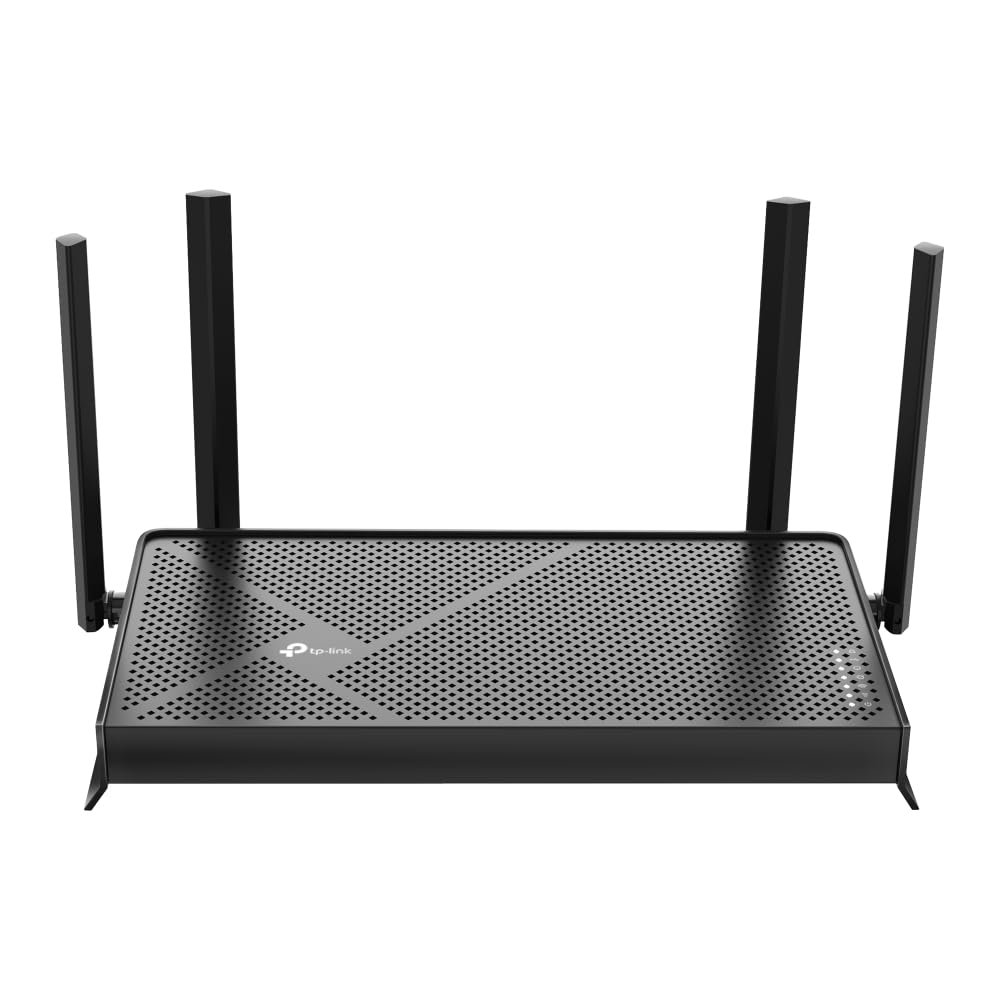
1,000+ ratings
Read Amazon ReviewsTP-Link Archer BE230 BE3600 Wi-Fi 7 Router
Choose the BE230 for Wi-Fi 7 and two 2.5 Gbps ports; choose the AXE75 for tri-band WiFi 6E.
- The Archer BE230 is a dual-band Wi-Fi 7 router with one 2.5 Gbps WAN/LAN port and one 2.5 Gbps LAN port; its dual-band design does not support 6 GHz.
- The AXE75 is a tri-band Wi-Fi 6E router for buyers who want Wi-Fi 6E access.
Computer Routers alternative
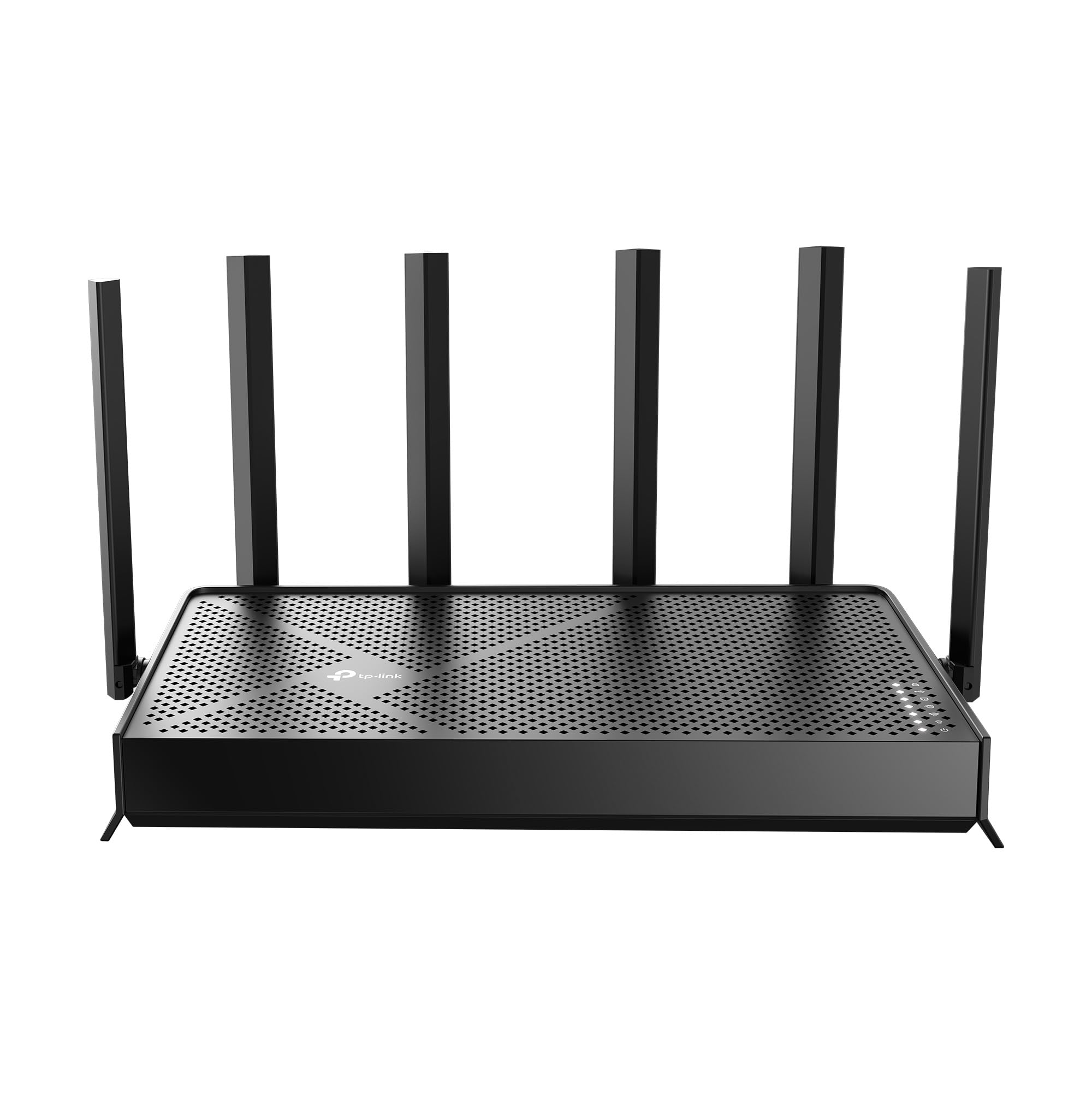
500+ ratings
Read Amazon ReviewsTP-Link Archer BE600 BE9700 WiFi 7 Router
Choose the BE600 if Wi-Fi 7 and multiple multi-gig wired ports matter; choose the AXE75 if you want tri-band Wi-Fi 6E.
- The Archer BE600 is a tri-band Wi-Fi 7 router with a 10 Gbps WAN/LAN port and three 2.5 Gbps LAN ports.
- The AXE75 combines Wi-Fi 6E, three bands, and a 2.5 Gbps WAN port for buyers focused on those features.
Is Archer AXE75 Worth It?
The TP-Link Archer AXE75 is worth considering if your priority is a tri-band Wi-Fi 6E network with a 6 GHz band, multi-device capacity features, VPN support, and OneMesh expansion.
Its strongest fit is a home that can use those wireless and management options, rather than a setup built around several multi-gig wired devices.
Buy it when you want Wi-Fi 6E, tri-band connectivity, and a 2.5 Gbps WAN port for gaming and streaming. Check your setup if you need the router to replace a modem; most internet service providers require a modem.
Your review at a glance
5,000+ ratings
Read Amazon ReviewsTP-Link Archer AXE75
A tri-band Wi-Fi 6E router for homes that want a 6 GHz band, OneMesh expansion, and VPN options in one network.
- Tri-band Wi-Fi 6E with 6 GHz, 5 GHz, and 2.4 GHz bands.
- Up to 5400 Mbps combined Wi-Fi rate across the three bands.
- 160 MHz channel support and OFDMA for more simultaneous device transmissions.
- 2.5 Gbps WAN port for a compatible incoming internet connection.